 info@stockbinge.com.au
 03 8609 4895

Blog Details
- Home
- Blog Details
ASX Lithium Stocks Rebound in 2025: What Investors Should Know
ASX Lithium Stocks to Watch in 2026: Market Outlook, Key Companies & Risks
After facing a turbulent 2023–2024 due to oversupply and falling prices, lithium stocks on the Australian Securities Exchange (ASX) entered a more balanced market environment during 2025 and 2026. Driven by growing demand for electric vehicles (EVs), energy storage solutions and broader electrification, ASX-listed lithium companies remain an important sector for investors to research.
For a broader look at the Australian lithium sector, investors can also explore lithium stocks in Australia and the longer-term market outlook.
This article examines the key drivers influencing the lithium market, highlights major ASX-listed lithium companies, and discusses the opportunities and risks investors should consider when researching the sector.
Global Lithium Market Dynamics in 2026
EV Adoption Fuels Demand Growth
The global shift towards electric mobility continues to support long-term lithium demand.
Key demand drivers include:
- Electric vehicles
- Battery energy storage systems
- Renewable energy integration
- Consumer electronics
- Industrial electrification
- Grid-scale battery projects
Battery storage is becoming increasingly important as countries expand renewable energy capacity and require systems capable of storing electricity for later use.
Supply Growth Remains a Key Market Variable
The lithium market experienced a significant correction after the supply-driven boom of 2021–2022.
New mines, expansions and processing capacity subsequently increased global supply, putting pressure on lithium prices.
By 2026, the market is increasingly focused on whether future demand growth can absorb additional supply.
For investors, this means rising EV and battery demand does not automatically translate into higher lithium prices. Production costs, mine expansions, inventories and project economics remain important variables.
ASX Lithium Stocks to Watch in 2026
1. Pilbara Minerals (ASX: PLS)
Large-Scale Australian Lithium Production
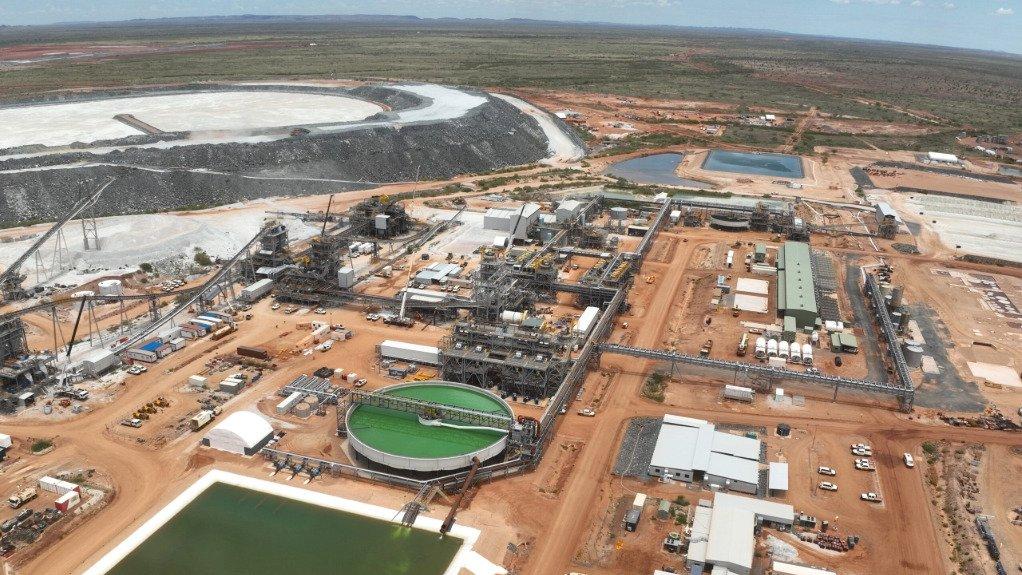
Pilbara Minerals is one of Australia's major pure-play lithium producers through its Pilgangoora operation in Western Australia.
The company's large production base makes it an important company to monitor when assessing the Australian lithium sector.
Its FY2026 results included record annual spodumene concentrate production of approximately 879,500 tonnes and annual sales of approximately 891,600 tonnes.
Pilbara Minerals also reported FY2026 revenue of approximately A$1.934 billion and underlying EBITDA of approximately A$1.137 billion.
Investors researching PLS can monitor:
- Spodumene production volumes
- Realised lithium prices
- Operating costs
- Cash generation
- Balance-sheet strength
- Expansion plans
- Downstream processing opportunities
2. Mineral Resources (ASX: MIN)
Diversified Lithium and Mining Exposure
Mineral Resources provides a different type of lithium exposure because the company also has significant iron ore and mining-services operations.
Its lithium interests include operations in Western Australia, giving investors exposure to the lithium market without relying exclusively on lithium earnings.
Key factors to monitor include:
- Lithium production
- Lithium prices
- Mt Marion performance
- Wodgina exposure
- Iron ore earnings
- Mining-services performance
- Capital expenditure
- Balance-sheet requirements
3. Liontown Resources (ASX: LTR)
Kathleen Valley Moves Into Underground Production
Liontown Resources' Kathleen Valley lithium project in Western Australia is now an operating asset and remains an important development for the Australian lithium sector.
Its FY2026 results included approximately 391,992 dry metric tonnes of spodumene concentrate production and 381,997 dry metric tonnes shipped.
The company is now focused on underground mining and increasing production efficiency.
Investors researching LTR should monitor:
- Underground mining performance
- Concentrate production
- Processing recoveries
- Operating costs
- Lithium prices
- Capital expenditure
- Cash generation
- Progress toward planned production targets
4. IGO Limited (ASX: IGO)
Greenbushes and Lithium Processing Exposure
IGO provides another way to research Australia's lithium supply chain.
The company has exposure to the Greenbushes lithium operation and lithium hydroxide processing through its Kwinana facility.
Its lithium earnings can therefore be influenced by both upstream spodumene production and downstream processing conditions.
Important factors include:
- Greenbushes production
- Spodumene pricing
- Lithium hydroxide production
- Operating costs
- Partner performance
- Lithium market conditions
- Capital requirements
5. Core Lithium (ASX: CXO)
Finniss Restart Creates a Development Story
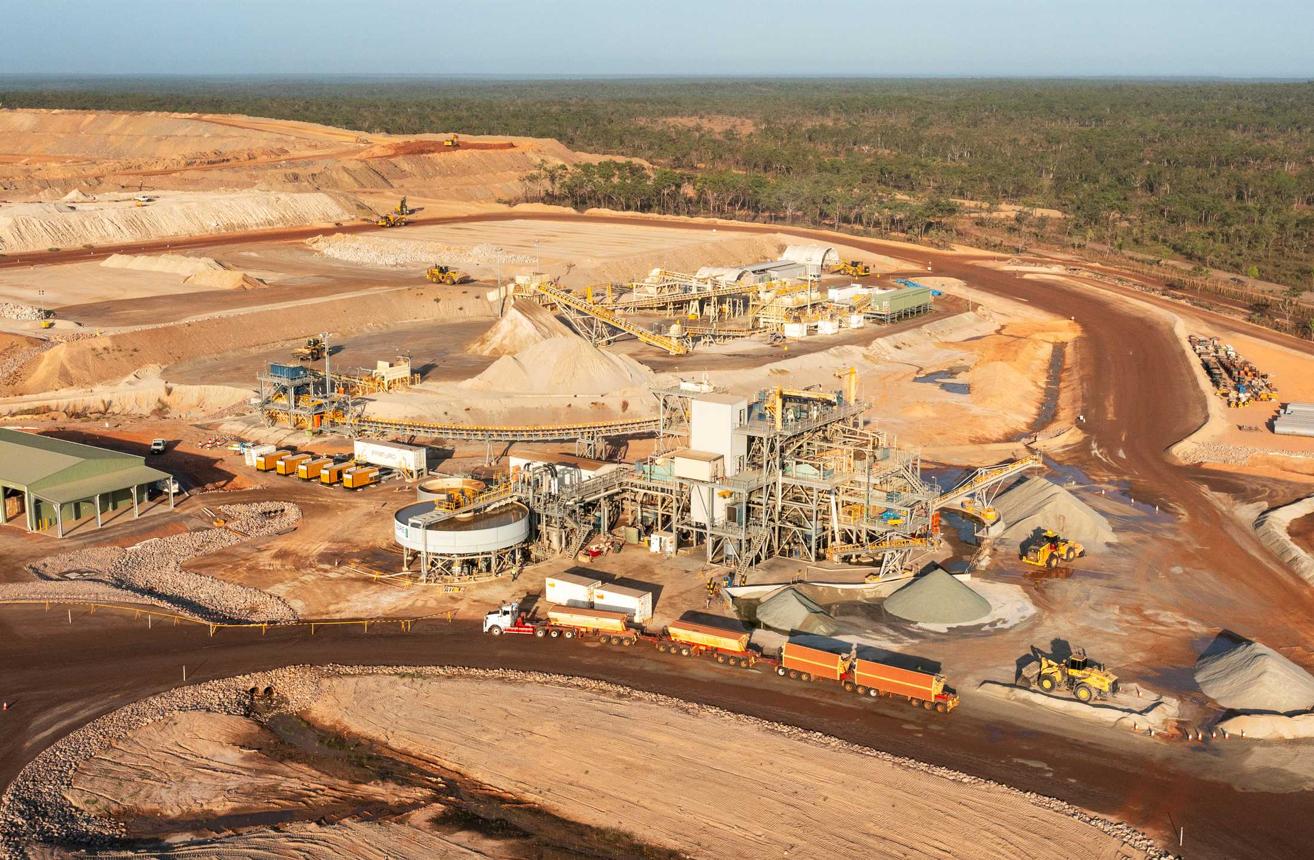
Core Lithium provides a different form of lithium exposure because its Finniss Lithium Operation in the Northern Territory is being restarted following a period of care and maintenance.
Mining at the Grants open pit recommenced in 2026, with the company targeting its first spodumene concentrate shipment in the December 2026 quarter.
For Core Lithium, investors should pay particular attention to:
- Restart execution
- Mining performance
- Processing performance
- Funding
- Production costs
- First concentrate shipments
- BP33 development
- Future cash flow
What Happened to Allkem?
The original version of this article included Allkem Limited (ASX: AKE).
That information is now outdated.
Allkem merged with Livent in January 2024 to form Arcadium Lithium. Rio Tinto subsequently completed its acquisition of Arcadium Lithium in March 2025.
As a result, Allkem should no longer be presented as a current ASX-listed lithium stock.
This highlights an important consideration when researching older lithium articles: investors should always verify whether a company is still listed under the same name and ticker.
Investment Catalysts Supporting ASX Lithium Stocks
Strong Government Support and Critical Minerals Strategy
Australia continues to promote the development of critical-minerals supply chains and domestic processing.
Lithium remains strategically important because of its role in battery manufacturing and electrification.
Government initiatives supporting critical minerals, processing and supply-chain development could influence investment across the sector.
M&A Activity
Lithium has attracted significant interest from major global mining and industrial companies.
Potential transactions can involve producers, developers, processing assets and exploration projects.
However, investors should not assume that every lithium explorer will become a takeover target.
Company quality, project economics, jurisdiction, resource size and development costs all influence the attractiveness of an asset.
Battery Manufacturing and Energy Storage
Global battery manufacturing continues to expand.
EV batteries remain a major source of lithium demand, while grid-scale and residential battery storage are becoming increasingly important.
The growth of renewable energy could therefore support lithium demand beyond the automotive sector.
Risks to Watch When Investing in Lithium Stocks
Price Volatility Remains a Key Concern
Lithium remains a cyclical commodity.
Prices can fluctuate significantly because of changes in:
- Global supply
- EV demand
- Battery production
- Inventory levels
- Chinese market conditions
- New mine production
- Processing capacity
A company can increase production while still experiencing weaker earnings if lithium prices decline significantly.
Project Delays and Cost Overruns
Developers and restart projects face additional execution risks.
These can include:
- Environmental approvals
- Infrastructure constraints
- Labour availability
- Construction delays
- Processing problems
- Cost inflation
- Funding requirements
Battery Technology Changes
Lithium-ion batteries remain dominant, but battery technology continues to evolve.
LFP batteries have gained significant market share, while sodium-ion and other technologies are also being developed.
Changes in battery chemistry could influence the quantity and type of minerals required in future battery systems.
Investor Strategies for Lithium Exposure on the ASX
1. Focus on Project Economics
Rather than focusing only on a company's share-price performance, investors can examine:
- Production costs
- Resource quality
- Mine life
- Capital requirements
- Processing costs
- Expected production volumes
Lower-cost operations may have greater resilience during weaker commodity-price conditions.
2. Examine Balance Sheets
Cash and debt are particularly important for lithium companies.
Established producers may generate operating cash flow, while developers and explorers may require additional capital before reaching production.
Investors should therefore understand how each company plans to fund its next stage of development.
3. Consider Diversification
Investors researching lithium exposure do not necessarily need to rely on one company.
The Global X Battery Tech & Lithium ETF (ASX: ACDC), for example, provides diversified exposure to companies connected to the battery and lithium value chain.
Investors looking beyond individual commodities can also research how to build an ASX 200-focused portfolio.
Outlook: What Could Happen to Lithium Stocks in 2026 and Beyond?
The long-term lithium story remains closely connected to global electrification.
EV adoption, energy storage, renewable energy integration and battery manufacturing can all support demand for lithium over the coming years.
However, the sector should not be viewed as a one-way growth story.
The balance between new supply and demand will remain one of the most important variables influencing lithium prices.
For ASX investors, companies such as Pilbara Minerals, Mineral Resources, Liontown Resources, IGO and Core Lithium provide different types of exposure to the sector.
Their production profiles, project stages, balance sheets and risk levels are different, so each company needs to be assessed individually.
Frequently Asked Questions
Are ASX lithium stocks still relevant in 2026?
Yes. Lithium remains an important battery material for EVs and energy storage. However, lithium stocks remain cyclical and company performance can vary significantly depending on production costs, project execution and lithium prices.
Which ASX companies provide lithium exposure?
Examples include Pilbara Minerals (ASX: PLS), Mineral Resources (ASX: MIN), Liontown Resources (ASX: LTR), IGO (ASX: IGO) and Core Lithium (ASX: CXO).
What happened to Allkem?
Allkem merged with Livent to create Arcadium Lithium. Rio Tinto subsequently acquired Arcadium Lithium in 2025, meaning Allkem is no longer an ASX-listed company.
Is lithium demand expected to grow?
Long-term lithium demand is expected to increase as EV adoption, battery storage and electrification expand. However, higher demand does not necessarily guarantee higher lithium prices because supply can also increase.
What is the ASX lithium ETF?
The Global X Battery Tech & Lithium ETF (ASX: ACDC) provides exposure to a basket of companies involved in lithium and battery technology.
What are the biggest risks of lithium investing?
Major risks include lithium-price volatility, oversupply, project delays, cost inflation, funding requirements, battery-technology changes and weaker-than-expected EV or battery-storage demand.
Conclusion
The lithium sector has undergone significant changes since the extreme price conditions of 2021–2022.
By 2026, investors are increasingly focused on production costs, project execution, balance sheets, lithium pricing and the ability of companies to generate sustainable cash flow.
Pilbara Minerals provides large-scale pure-play production exposure, Mineral Resources offers diversified mining exposure, Liontown is focused on Kathleen Valley, IGO provides exposure to Greenbushes and lithium processing, while Core Lithium represents a restart and development story through Finniss.
For investors researching ASX lithium stocks in 2026, the key is to look beyond short-term share-price movements and monitor the underlying fundamentals of the lithium market and individual companies.
This article is for general informational purposes only and does not constitute personal financial advice. Investors should conduct their own research and consider their circumstances or speak with a licensed financial adviser before making investment decisions.
Talk to Our Experts
ABN 54 672 177 347 | ACN 672 177 347
Copyright © 2026 StockBinge. All Right Reserved. Design by StockBinge.