 info@stockbinge.com.au
 03 8609 4895

Blog Details
- Home
- Blog Details
Uranium Stocks on the ASX Surge Amid Nuclear Energy Revival
In 2026, uranium remains an important commodity for investors following the global revival of nuclear energy.
Governments and utilities are reassessing nuclear power as electricity demand rises, energy-security concerns increase and countries look for reliable low-carbon electricity. The International Energy Agency reported that global nuclear capacity remained around 420 GW at the end of 2025, with 10 reactor construction starts during the year.
This renewed interest in nuclear power is supporting attention on uranium miners, developers and nuclear-fuel technology companies listed on the Australian Securities Exchange (ASX).
Australia is also an important participant in the uranium market, with established producers and several advanced development projects. However, uranium stocks can be highly volatile, and the performance of individual companies depends on production, project economics, uranium prices, funding and regulatory conditions.
This guide examines the key drivers behind the uranium market in 2026, several ASX uranium stocks to research, major catalysts and the risks investors should consider.
Global Nuclear Energy Demand in 2026
Nuclear Power Returns to the Energy Conversation
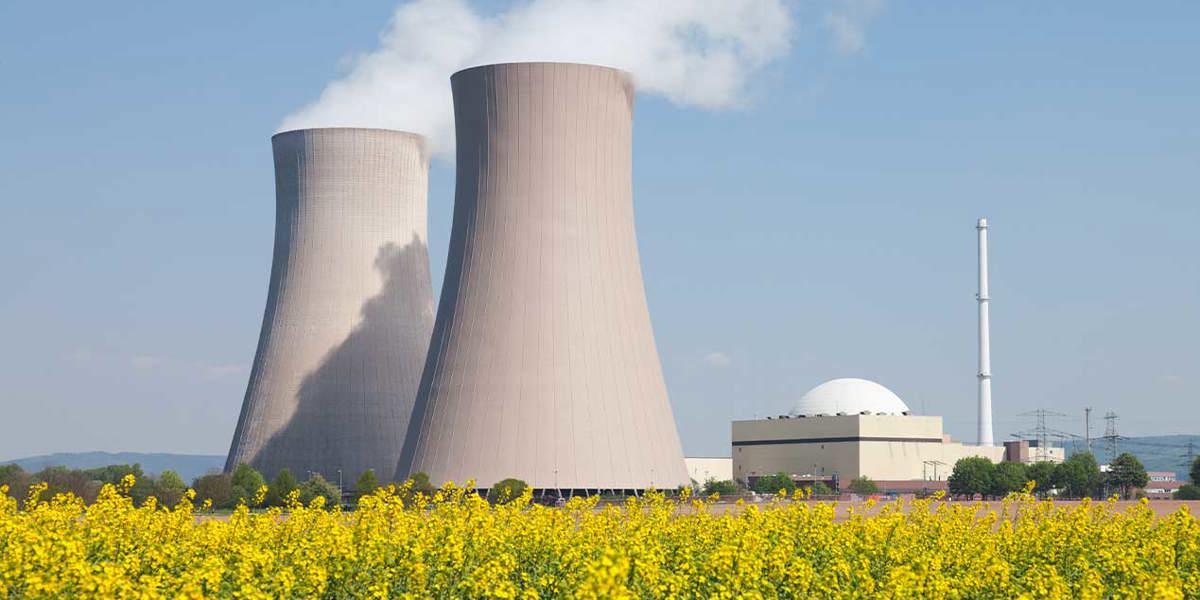
Nuclear energy is receiving renewed attention because it can provide large-scale electricity generation without direct operational carbon emissions.
The IEA's nuclear outlook projects continued growth in nuclear investment. Under its stated-policies scenario, global nuclear capacity is projected to rise by more than 50% to nearly 650 GW by 2050.
Several factors are supporting this trend:
- Rising global electricity consumption
- Decarbonisation targets
- Energy-security concerns
- Expansion of data centres and AI infrastructure
- Interest in small modular reactors
- Extension of operating reactor lifetimes
- New nuclear construction in Asia and other regions
Reactor Construction Supports Long-Term Uranium Demand
The uranium market is ultimately linked to nuclear-reactor requirements.
The IEA reported that 10 new reactor construction starts occurred in 2025, with nine in China and one in Russia.
China, India and other countries are continuing to develop nuclear capacity, while existing nuclear operators are also looking at life extensions and higher utilisation.
This provides a long-term demand backdrop for uranium, although the timing of uranium purchases can differ substantially from the timing of reactor construction.
Why ASX Uranium Stocks Are Attracting Attention in 2026
Australia Has Significant Uranium Resources
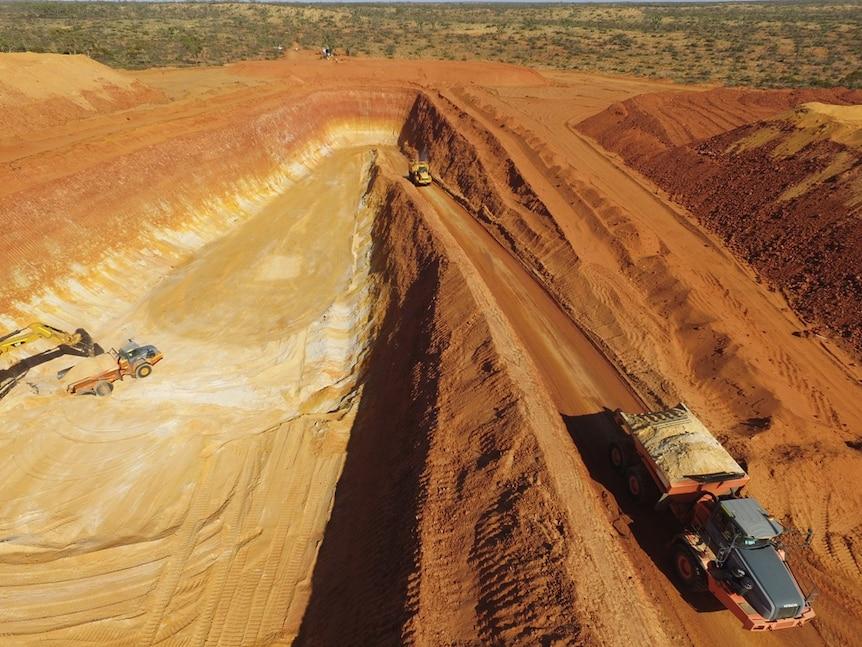
Australia has substantial uranium resources and an established mining industry.
The country is home to operating uranium mines as well as advanced development projects.
This gives ASX investors access to different parts of the uranium value chain, ranging from established production to exploration, development and nuclear-fuel technology.
Supply Security Is Becoming More Important
Uranium buyers are increasingly focused on reliable long-term supplies.
The nuclear-fuel market differs from many conventional commodities because utilities often use long-term contracts to secure future uranium requirements.
Geopolitical developments, conversion and enrichment capacity and restrictions affecting major suppliers can therefore influence uranium procurement strategies.
Uranium Prices Remain an Important Variable
Uranium prices experienced a major increase during the previous uranium cycle, followed by periods of volatility.
For producers, higher realised uranium prices can improve revenue and margins.
For developers, however, the relationship is more complicated because a project needs sufficient long-term pricing to justify construction capital.
Investors should therefore examine contract pricing and company guidance rather than relying solely on the daily spot price.
ASX Uranium Stocks to Watch in 2026
1. Paladin Energy (ASX: PDN)
Langer Heinrich Reaches Operational Ramp-Up
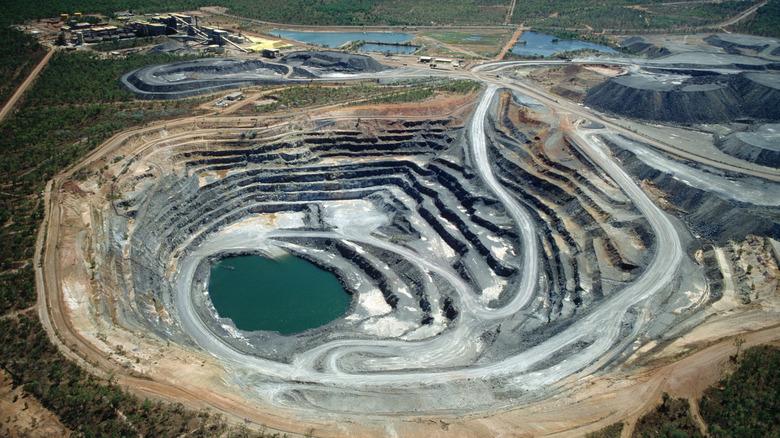
Paladin Energy is one of the more established uranium producers available to ASX investors.
Its 75%-owned Langer Heinrich Mine in Namibia returned to production in 2024.
Paladin's FY2026 materials state that the operational ramp-up at Langer Heinrich was completed during FY2026. The company describes the operation as a long-life uranium asset with a 17-year mine life.
Paladin also has uranium development and exploration exposure in Canada and Australia.
Important areas for investors to monitor include:
- Langer Heinrich production
- Realised uranium prices
- Production costs
- Cash generation
- FY2027 production guidance
- Patterson Lake South development
- Canadian exploration
- Capital expenditure
Paladin therefore provides exposure to an operating uranium mine as well as longer-term project development.
2. Boss Energy (ASX: BOE)
Honeymoon Becomes an Established Producer
Boss Energy's Honeymoon uranium operation in South Australia is now an operating mine rather than simply a development project.
The company restarted Honeymoon in April 2024.
In FY2026, Honeymoon produced approximately 1.407 million pounds of U₃O₈, an increase of 61% from FY2025. Boss reported FY2026 C1 costs of approximately A$39/lb and AISC of A$61/lb.
The company also has a 30% interest in the Alta Mesa uranium operation in Texas.
Another development to watch is the company's work on the Gould's Dam and Jasons satellite deposits, which together contain approximately 45 million pounds of U₃O₈ in mineral resources and could potentially provide future feed to the Honeymoon processing plant.
Investors researching BOE should monitor:
- Honeymoon production
- Wellfield expansion
- Production costs
- Uranium prices
- Cash generation
- Gould's Dam development
- Jasons development
- Alta Mesa performance
- Capital allocation
3. Deep Yellow (ASX: DYL)
Tumas Provides Long-Term Development Exposure
Deep Yellow is different from Paladin and Boss Energy because its major Tumas project in Namibia remains a development asset.
Tumas has a reported Mineral Resource of approximately 137 million pounds of U₃O₈ and an Ore Reserve of approximately 79.5 million pounds, according to the company's project information.
The company initially targeted a Final Investment Decision for Tumas in 2025, but that decision was subsequently deferred.
Deep Yellow has adopted a staged development approach, with engineering and early works continuing while construction of the processing plant remains dependent on uranium-market conditions.
The company also owns the Mulga Rock project in Western Australia.
For investors researching DYL, important considerations include:
- Tumas FID
- Uranium-price assumptions
- Project financing
- Construction capital
- Tumas development schedule
- Mulga Rock studies
- Resource growth
- Potential production costs
Deep Yellow therefore represents a development-focused uranium exposure rather than an established operating producer.
4. Silex Systems (ASX: SLX)
Uranium Enrichment Technology Rather Than Traditional Mining
Silex Systems provides a different type of uranium exposure.
The company is developing and commercialising laser-based uranium enrichment technology through Global Laser Enrichment (GLE), which is jointly owned by Silex and Cameco.
Silex holds a 51% interest in GLE, while Cameco owns 49%. The SILEX technology achieved Technology Readiness Level 6 in October 2025.
GLE is progressing the proposed Paducah Laser Enrichment Facility in Kentucky.
In 2025, GLE submitted its full licence application to the US Nuclear Regulatory Commission, while in March 2026 the company announced a US$98.9 million incentives package from the Commonwealth of Kentucky and McCracken County for the proposed facility.
This makes Silex different from traditional uranium miners.
Its potential value is linked to:
- Technology commercialisation
- Enrichment demand
- Regulatory approvals
- Paducah project development
- GLE economics
- Licensing milestones
- Potential royalty revenue
However, the company remains exposed to technology, regulatory, financing and commercialisation risks.
Key Catalysts for ASX Uranium Stocks
1. Nuclear Reactor Construction
The number of reactors under construction and planned globally is an important long-term uranium-demand indicator.
More reactor construction can increase future requirements for nuclear fuel, although the impact on uranium prices depends on inventories, mine supply and utility contracting activity.
2. Data Centre and AI Electricity Demand
Rapid expansion of data centres is increasing electricity demand in several major markets.
This has encouraged discussion around nuclear power as a reliable source of electricity for large industrial and technology loads.
If nuclear capacity expands to meet this demand, it could support long-term uranium consumption.
3. Supply Development
Uranium production requires significant capital and long development timelines.
Existing mines can benefit from higher prices, while developers need sufficient long-term pricing to justify construction.
Companies with advanced projects may therefore respond differently to uranium-price movements than exploration-stage companies.
4. Nuclear Fuel Supply-Chain Investment
Uranium mining is only one part of the nuclear fuel cycle.
Conversion and enrichment capacity are also strategically important.
This creates opportunities for companies such as Silex that are developing technologies further along the nuclear-fuel chain.
Risks of Investing in Uranium Stocks
Uranium Price Volatility
Uranium can experience significant price movements.
The market is influenced by utility contracting, inventories, mine supply, geopolitical developments and reactor demand.
Share prices of uranium companies can move even more sharply than the underlying commodity.
Regulatory Risk
Nuclear energy and uranium mining are heavily regulated.
Changes in government policy, environmental requirements, licensing processes or export rules can affect project timelines and economics.
Development Risk
Developers such as Deep Yellow face substantial capital requirements before production begins.
Project construction can experience:
- Cost inflation
- Construction delays
- Financing challenges
- Contractor issues
- Infrastructure constraints
- Regulatory delays
Exploration Risk
Exploration companies may have attractive geological prospects but no operating revenue.
Exploration results can therefore have a significant effect on valuation.
Technology and Commercialisation Risk
Companies such as Silex face a different risk profile.
Technology development must progress successfully through testing, licensing, construction and commercial operation before large-scale revenue potential can be realised.
How to Research Uranium Exposure on the ASX
1. Compare Producers and Developers
Established producers such as Paladin Energy and Boss Energy have operating assets.
Development companies such as Deep Yellow have different capital and execution requirements.
Investors should understand the difference before comparing companies.
2. Examine Production Costs
For uranium producers, operating costs are important.
Lower-cost production can provide greater resilience if uranium prices weaken.
However, investors should consider total sustaining capital requirements rather than looking at a single cost metric.
3. Check Balance Sheets
Developers may require substantial funding before production.
Cash reserves, debt, capital expenditure and potential equity raisings can therefore materially affect shareholders.
4. Understand the Nuclear Fuel Cycle
Investors do not have to limit their research to uranium miners.
The nuclear-fuel cycle also includes:
- Uranium mining
- Milling
- Conversion
- Enrichment
- Fuel fabrication
- Reactor operations
Silex provides an example of an ASX-listed company focused on enrichment technology rather than mining.
5. Consider ETF Exposure
Investors seeking broader uranium exposure can also research exchange-traded funds.
The Global X Uranium ETF (ASX: ATOM) provides exposure to a portfolio of companies connected to the global uranium industry. Global X's current fund information lists ATOM on the ASX with a 0.69% management cost.
An ETF can provide diversification across multiple companies rather than concentrating exposure in one uranium producer or developer.
Outlook for ASX Uranium Stocks in 2026 and Beyond
The uranium market is being supported by renewed global interest in nuclear energy, rising electricity demand and increased attention to energy security.
However, uranium stocks should not be treated as a single uniform investment category.
Paladin Energy and Boss Energy provide operating-production exposure, Deep Yellow represents advanced development exposure, while Silex provides nuclear-fuel technology exposure.
The key indicators to monitor include:
- Global reactor construction
- Utility uranium contracting
- Uranium spot and term prices
- Mine production
- Inventory levels
- Conversion capacity
- Enrichment capacity
- Nuclear-policy developments
- Project financing
- Company production costs
For investors researching ASX uranium stocks in 2026, understanding the difference between producers, developers, explorers and nuclear-fuel technology companies can be just as important as following the uranium price.
Frequently Asked Questions
What is driving ASX uranium stocks in 2026?
Renewed interest in nuclear power, increasing electricity demand, energy-security concerns and new reactor construction are major factors supporting interest in uranium and uranium-related companies.
Which ASX companies provide uranium exposure?
Examples include Paladin Energy (ASX: PDN), Boss Energy (ASX: BOE), Deep Yellow (ASX: DYL) and Silex Systems (ASX: SLX). These companies have different exposure across production, development and uranium-enrichment technology.
Is Paladin Energy a uranium producer?
Yes. Paladin's Langer Heinrich Mine in Namibia is an operating uranium mine, and the company reported that its operational ramp-up was completed in FY2026.
Is Boss Energy producing uranium?
Yes. Boss Energy's Honeymoon operation in South Australia is producing uranium. Honeymoon produced approximately 1.407 million pounds of U₃O₈ in FY2026.
What is Deep Yellow's main uranium project?
Deep Yellow's key development project is Tumas in Namibia. The company also owns the Mulga Rock project in Western Australia. Tumas remains a development project, with the Final Investment Decision having been deferred.
Is Silex Systems a uranium miner?
No. Silex is primarily a technology company focused on commercialising laser-based uranium enrichment technology through Global Laser Enrichment.
What is the ASX uranium ETF?
The Global X Uranium ETF trades on the ASX under the ticker ATOM and provides diversified exposure to companies associated with the uranium industry.
What are the main risks of uranium stocks?
Key risks include uranium-price volatility, regulatory changes, project delays, capital requirements, geopolitical developments, exploration risk and technology-commercialisation risk.
Conclusion
The renewed global interest in nuclear power has placed uranium back on the investment radar in 2026.
Australia's uranium resources, established mining industry and ASX-listed producers and developers give Australian investors several ways to research the sector.
Paladin Energy and Boss Energy offer exposure to operating uranium production, Deep Yellow provides development exposure through Tumas and Mulga Rock, while Silex Systems offers exposure to uranium-enrichment technology.
The sector nevertheless carries substantial risks. Uranium prices can be volatile, development projects can require significant capital and nuclear projects are subject to extensive regul
Talk to Our Experts
ABN 54 672 177 347 | ACN 672 177 347
Copyright © 2026 StockBinge. All Right Reserved. Design by StockBinge.