.jpg)
Surge in Uranium Stocks Boosts ASX | 2025 Market Trends
The surge in uranium stocks became an important theme across the Australian share market in 2025 as uranium prices, nuclear-energy demand and renewed interest in energy security supported the sector.
After a difficult period for uranium equities, market sentiment improved as investors increasingly focused on the long-term role of nuclear power in meeting electricity demand. Growing electricity consumption from data centres, artificial intelligence infrastructure and industrial applications has also strengthened interest in reliable low-emissions power.
Australia is particularly relevant to the uranium market. The country has the world's largest identified uranium resources and remained the world's fourth-largest uranium producer in 2025. Australian uranium export earnings were valued at approximately A$1.2 billion in 2024–25.
The surge in uranium stocks therefore reflects more than short-term share-price movements. It is connected to broader developments across uranium prices, nuclear-reactor investment, mine supply, government policy and global electricity demand.
Why the Surge in Uranium Stocks Matters to the ASX
Uranium stocks have a distinctive position within the ASX resources sector.
Unlike iron ore or lithium companies, uranium producers are linked closely to the nuclear-power industry. Uranium is required to fuel nuclear reactors, which means changes in reactor construction, operating lifetimes and nuclear-energy policy can influence long-term uranium demand.
The Australian Government's June 2025 Resources and Energy Quarterly forecast uranium prices to increase from around US$71 per pound in 2025 to US$87 per pound in 2027. It also projected global uranium consumption to increase from 95 kilotonnes in 2024 to 99 kilotonnes in 2030.
This combination of higher expected demand and improving price expectations provided an important backdrop for Australian uranium companies.
What Is Driving Uranium Demand in 2025?
Nuclear Power Is Regaining Attention
Nuclear energy has attracted renewed attention from governments and energy companies seeking reliable electricity generation with low operational carbon emissions.
The International Energy Agency has highlighted a resurgence in interest in nuclear power, driven by energy-security concerns, electricity demand and decarbonisation efforts.
For uranium producers, the key implication is that nuclear reactors require a reliable long-term supply of nuclear fuel.
Data Centres and AI Are Increasing Electricity Demand
Artificial intelligence and data-centre infrastructure are becoming significant sources of electricity demand.
Large technology companies are increasingly examining nuclear power and other firm energy sources as they seek reliable electricity for expanding computing infrastructure.
This has added another dimension to the uranium investment narrative.
StockBinge has also covered the broader data-centre investment theme in Goodman Group (ASX:GMG): The Landlord Behind Australia's Data Centre Boom.
Reactor Life Extensions
New nuclear reactors are not the only source of uranium demand.
Extending the operating lives of existing reactors can also support uranium consumption because reactors that continue operating require ongoing fuel supplies.
This is particularly important because nuclear reactors can operate for several decades.
Australia’s Position in the Global Uranium Market
Australia has a significant uranium resource base.
According to Australia's Department of Industry, Science and Resources, Australia has the world's largest uranium resources and was the fourth-largest uranium producer globally in 2025.
The country's uranium industry includes established operations as well as development and exploration projects.
Australian uranium exports were approximately 4.9 kilotonnes in 2024–25, with export value around A$1.1 billion. Export volumes were forecast to rise to approximately 6.5 kilotonnes in 2025–26 as production from the Honeymoon mine ramps up.
This provides an important foundation for the domestic uranium sector.
Uranium Stocks and the ASX in 2025
The ASX provides investors with access to uranium producers, developers and exploration companies.
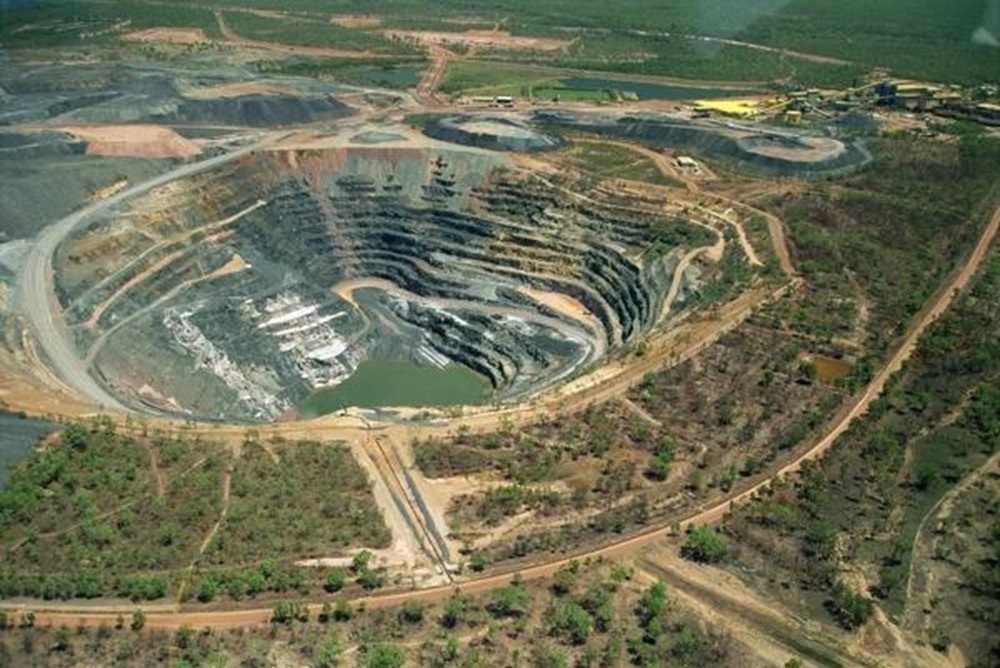
These businesses can have very different risk profiles.
Established Producers
Producers generally have operating mines, revenue and established customer relationships.
Their share prices can be influenced by uranium prices, production volumes, operating costs and mine performance.
Development Companies
Development-stage uranium companies are working toward construction or production.
Their valuations can be particularly sensitive to feasibility studies, project financing, permitting and uranium-price assumptions.
Exploration Companies
Exploration companies typically carry greater geological and financing uncertainty.
Their share prices can react sharply to drilling results, resource estimates and exploration discoveries.
Investors should therefore distinguish between uranium exposure and the specific risk profile of an individual company.
Major Australian Uranium Companies to Watch
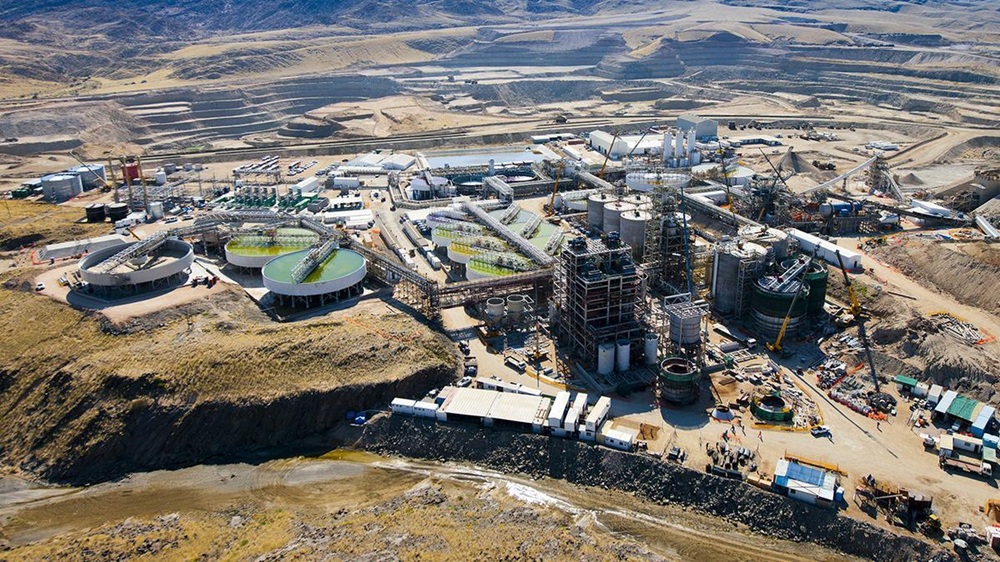
Paladin Energy (ASX:PDN)
Paladin Energy is one of Australia's best-known uranium producers.
The company operates the Langer Heinrich uranium mine in Namibia and has been an important uranium exposure for ASX investors.
Its performance can be influenced by uranium prices, production guidance, operating costs and project execution.
Boss Energy (ASX:BOE)
Boss Energy operates the Honeymoon uranium project in South Australia.
The Honeymoon operation is particularly relevant to the Australian uranium outlook because its production ramp-up is expected to contribute to increased domestic uranium exports.
The Australian Government identified the ramp-up of Honeymoon as a factor behind its forecast increase in Australian uranium export volumes.
Deep Yellow (ASX:DYL)
Deep Yellow is developing uranium assets in Namibia and has attracted attention as a uranium development company listed on the ASX.
Its exposure provides investors with another way to participate in the uranium market without relying entirely on Australian production.
Energy Fuels (ASX:EFR)
Energy Fuels is a US-focused uranium and critical-minerals company with an ASX listing.
Its exposure extends beyond uranium mining into the broader critical-minerals and rare-earths supply chain.
Uranium Prices Are a Key Driver
The surge in uranium stocks cannot be separated from movements in uranium prices.
When uranium prices rise, producers can potentially generate stronger margins, while developers may find previously marginal projects more economically attractive.
However, uranium companies do not necessarily move in direct proportion to the spot uranium price.
Many producers sell uranium under long-term contracts.
This means realised prices can differ from spot-market prices.
Production costs, contract structures, hedging, production guidance and balance-sheet strength can therefore have a significant influence on company performance.
The Role of Long-Term Uranium Contracts
Nuclear utilities generally require reliable uranium supplies over long periods.
Long-term contracts provide producers with greater revenue visibility while giving utilities greater certainty over future fuel availability.
This can create an important distinction between the spot uranium price and the prices received by individual producers.
As utilities seek to secure future supplies, contract activity can become an important indicator for the uranium market.
Uranium Supply Could Become Increasingly Important
The uranium market has experienced significant changes on the supply side.
Kazakhstan remains the world's largest uranium producer, while Canada, Namibia, Australia and other countries contribute to global supply.
Supply disruptions, project delays, declining grades and geopolitical considerations can all influence uranium availability.
The Australian Government expects higher uranium prices and production volumes to support growth in Australia's uranium export earnings.
This could create opportunities for Australian producers and developers if market conditions remain supportive.
Nuclear Energy and the Global Energy Transition

Nuclear power occupies a distinctive position in the energy transition.
Unlike variable renewable sources such as wind and solar, nuclear reactors can provide continuous electricity generation.
At the same time, nuclear plants generally have low operational greenhouse-gas emissions.
This combination has led some governments and companies to reconsider the role of nuclear energy in future electricity systems.
For uranium companies, a broader nuclear build-out could create long-term demand growth.
However, nuclear projects typically require substantial capital, long development periods and regulatory approvals.
Risks Facing Uranium Stocks
The surge in uranium stocks does not eliminate the risks associated with the sector.
Uranium Price Volatility
Uranium prices can change significantly depending on supply, demand, contracting activity and investor sentiment.
Project Development Risk
Development-stage companies face risks relating to construction costs, financing, permitting and project execution.
Regulatory Risk
Uranium mining is subject to strict environmental, safety and regulatory requirements.
Changes in government policy can affect project timelines and operating conditions.
Nuclear Policy
Political decisions can influence reactor construction and uranium demand.
Although nuclear support has increased in several markets, policy can vary significantly between countries.
Exploration Risk
Exploration companies may spend substantial amounts of capital without establishing an economically viable resource.
What Could Support Uranium Stocks Beyond 2025?
Several factors could influence the longer-term uranium market.
Growing Nuclear Generation
New reactors could increase uranium consumption.
Existing Reactor Life Extensions
Longer operating lives can extend uranium demand from existing nuclear facilities.
Rising Electricity Demand
AI, data centres, electrification and industrial development could increase demand for reliable electricity.
Supply Constraints
If new uranium supply does not keep pace with consumption, market conditions could tighten.
Energy Security
Countries may increasingly seek diversified nuclear-fuel supply chains.
These factors do not guarantee higher uranium prices or share prices, but they are important variables for investors analysing the sector.
Uranium Stocks vs Other ASX Mining Stocks
Uranium companies differ from traditional ASX mining stocks in several ways.
| Factor | Uranium Stocks | Traditional Mining Stocks |
|---|---|---|
| Main demand driver | Nuclear power | Industrial and consumer demand |
| Key commodity | Uranium | Iron ore, gold, copper, lithium and others |
| Price sensitivity | High | Varies by commodity |
| Regulatory exposure | Generally high | Varies |
| Development timelines | Often long | Varies |
| Main demand trend | Nuclear generation | Industrial activity and commodity cycles |
This makes uranium stocks a distinct segment of the ASX resources market.
What Investors Should Watch in the Uranium Market
Uranium Spot Prices
Price trends provide a broad indication of market conditions.
Long-Term Contracting
Utility contracting can provide clues about future demand and supply requirements.
Nuclear Reactor Construction
New reactor projects can create additional long-term uranium demand.
Mine Production
Production changes from major uranium-producing countries can affect global supply.
Australian Production
The ramp-up of Australian projects such as Honeymoon is relevant to domestic export volumes.
Company Costs
Low-cost producers may have greater resilience when uranium prices weaken.
Project Development
For developers, financing, permitting and construction progress can be as important as uranium prices.
Frequently Asked Questions
Why are uranium stocks rising on the ASX?
The surge in uranium stocks in 2025 has been supported by renewed interest in nuclear energy, expectations for increasing uranium demand, uranium-price strength and investor focus on energy security.
Is Australia important to the uranium market?
Yes. Australia has the world's largest identified uranium resources and was the fourth-largest uranium producer globally in 2025.
What is driving uranium demand?
Nuclear power generation is the primary driver. New reactors, reactor life extensions and increasing electricity demand can support uranium consumption.
Which ASX uranium stocks are exposed to the uranium market?
ASX-listed companies with uranium exposure include Paladin Energy, Boss Energy, Deep Yellow and Energy Fuels, although their operations, jurisdictions and risk profiles differ.
Will AI increase uranium demand?
AI and data centres are increasing electricity demand. Nuclear power is being considered by some technology companies and energy providers as a reliable source of electricity, which could indirectly support long-term uranium demand.
What are the main risks of investing in uranium stocks?
Key risks include uranium-price volatility, project-development delays, financing requirements, regulatory changes, production problems and changes in nuclear-energy policy.
What is the outlook for Australian uranium exports?
The Australian Government's June 2025 outlook projected uranium export values to increase from A$1.2 billion to A$1.5 billion by 2026–27, supported by higher prices and volumes.
Conclusion
The surge in uranium stocks was one of the notable resource-market themes affecting the ASX during 2025.
Renewed interest in nuclear energy, increasing electricity demand and expectations of higher uranium consumption provided a stronger backdrop for uranium companies after a difficult period for the sector.
Australia's position is particularly significant. The country has the world's largest uranium resource base and remains one of the world's major uranium producers. The reopening and ramp-up of projects such as Honeymoon is also expected to increase Australian uranium exports.
However, uranium stocks remain exposed to commodity-price volatility, regulatory requirements, project-development risks and changes in nuclear policy.
For investors researching the sector, uranium prices are only one part of the picture. Production costs, project quality, balance sheets, contract structures, mine development and the broader nuclear-energy outlook also deserve attention.
At StockBinge, we believe investors should conduct their own research and consider their investment objectives, financial circumstances and risk tolerance before making investment decisions.
Disclaimer
This article is general information only and does not constitute personal financial advice. Investing in mining and uranium stocks involves risk, including commodity-price volatility, regulatory risk, project-development risk and potential loss of capital. Investors should conduct their own research and consider seeking professional financial advice before making investment decisions.